You Probably Don’t Need to Be in More Markets

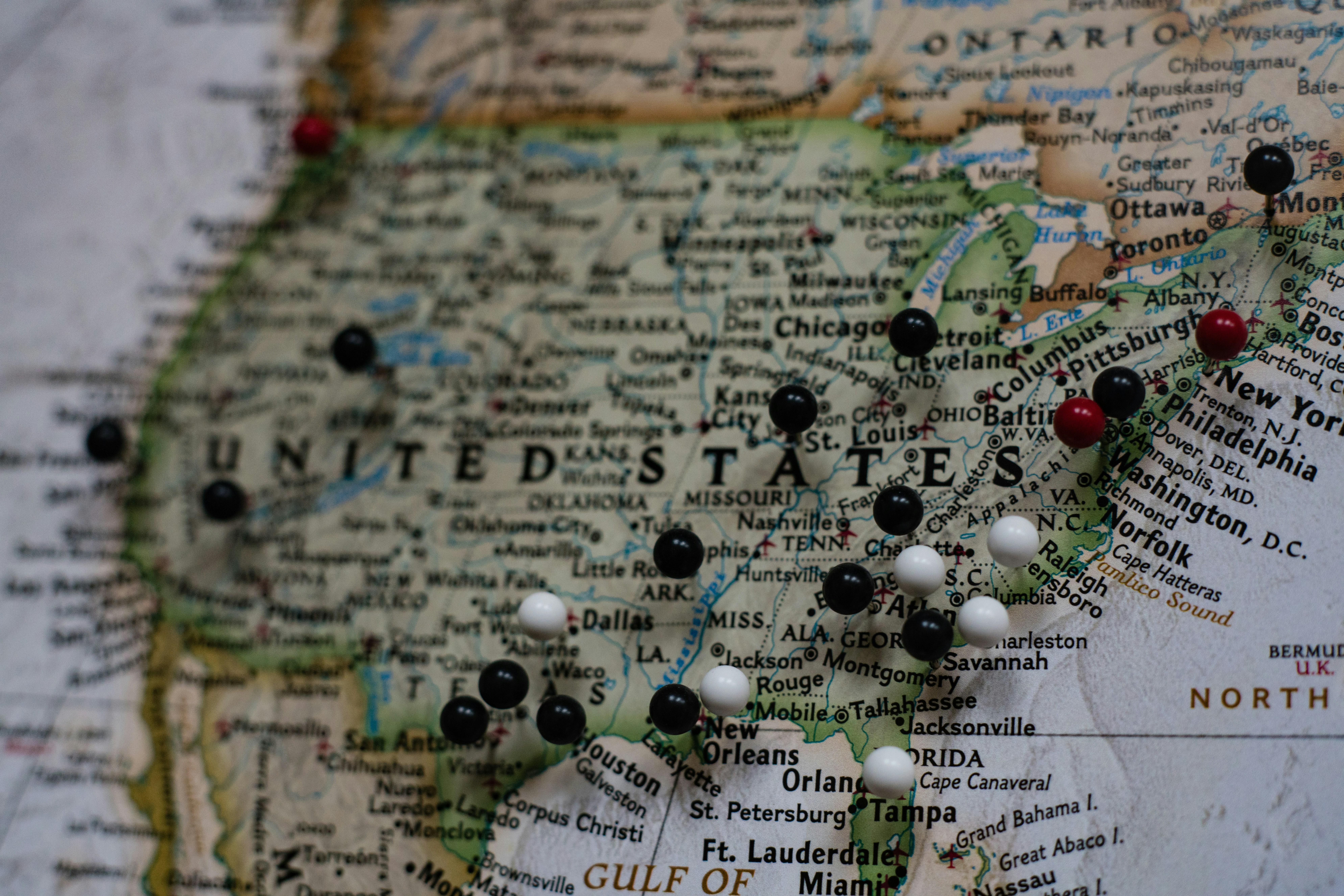
There is a lot of pressure in the beverage industry to keep adding markets, especially when you are trying to show growth. Being in three states sounds good, being in ten sounds better, and eventually national distribution starts to feel like something every brand should be working toward. The problem is that being available in a market and actually building a business in that market are two very different things.
A brand can have a distributor, inventory in the warehouse, and a handful of accounts and technically say it is distributed in that state, but that doesn't tell us very much. We want to know how many accounts are actually ordering, how often they reorder, what those accounts are doing every month, whether the brand is gaining new placements, which programs are working, and whether the market is producing enough business to justify the amount of money and time being invested into it.
Every new market requires more resources than most brands realize. You need inventory in the right place, someone managing the distributor, people developing accounts, samples, programming, travel, marketing support, and enough attention in the market to make sure placements actually turn into reorders. None of those things are particularly unusual on their own, but when you start multiplying them across five, ten, or fifteen markets, the cost and complexity add up quickly.
This is especially important for independent brands because there is only so much capital and so many people available. If the same team is trying to build six markets at once, they are naturally going to spend less time in each one. Sometimes it makes much more sense to put those resources into two or three markets and build enough density that you can actually understand what is working.
There is also a lot of useful information that comes from doing that. Once you have enough accounts and enough activity in a market, you start to understand which types of accounts perform best, who the consumer actually is, what programming creates volume, what leads to a reorder, how long the sales cycle takes, and what it costs to acquire and support an account. That gives you something much more valuable when you eventually expand because you are taking what you have already learned and applying it somewhere new.
Obviously, there is a point where expansion makes sense, and brands should absolutely be thinking about where their next growth markets will come from. We just don't think the number of states on a distribution map is a particularly useful measure of how well a brand is doing. A smaller footprint with strong account density, consistent velocity, and a team that can actually support the business can be a much healthier place to grow from than a national footprint that is an inch deep everywhere.
When we're thinking about expansion, the question we care about isn't really how many markets a brand can get into. It's whether the markets it enters can become meaningful businesses, and whether the brand has the resources to build them properly.